
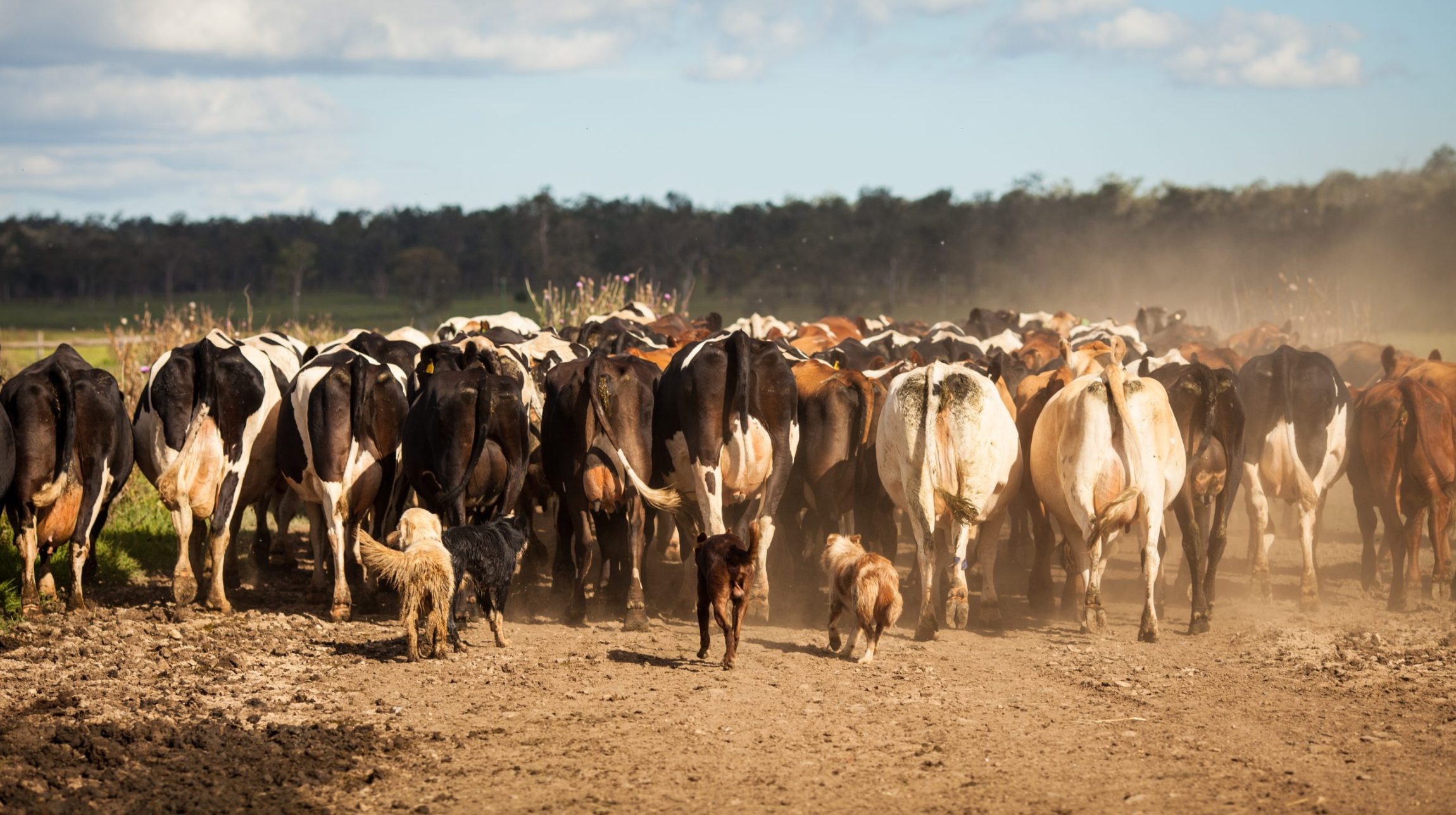
Within-Herd Ranking
Understand the genetic merit of your animals at a glance, with within-herd ranking built for multi-breed dairy operations.
Compare mixed breed cattle DNA
Within-herd ranking provides a practical way to compare the genetic merit of animals across different breeds within the same herd.
Breeding Values (ABVs) are usually calculated on a breed-specific basis, so animals can only be directly compared within their own breed. For producers running multiple breeds or crossbreds, selecting the best animals across the whole herd is a challenge.
Within-herd ranking addresses this by converting ABVs into a single, standardised ranking within your herd. It effectively removes breed bias, allowing all animals, regardless of breed or cross, to be compared side by side in one list. The result is clearer, more confident decision-making for replacement selection, mating strategies and culling decisions, particularly in crossbred systems.
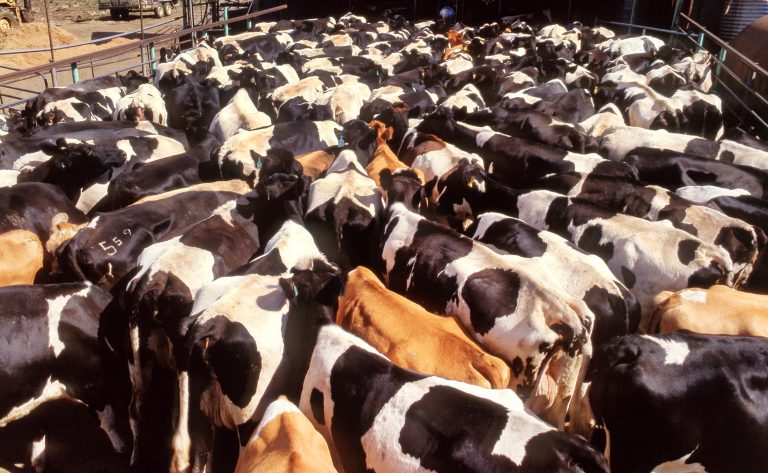
Within-Herd Ranking Services
XytoVet supports producers in applying within-herd ranking tools alongside genomic testing, helping turn complex genetic data into simple, practical outcomes on the farm.
By combining genomic breeding values with within-herd ranking, producers gain a more accurate and usable picture of how each animal performs relative to the herd, regardless of breed composition.
What within-herd ranking offers:
- A consistent method to compare animals across breeds within a single herd
- A single ranked list of all animals based on genetic merit
- Improved confidence when selecting replacement heifers
- More effective use of genomic data for breeding and culling decisions
- Customisable reporting across key traits and indices via herd management tools

How within-herd ranking works
- Genomic breeding values are first calculated for each animal by analysing their DNA.
- The Within-Herd Ranking Tool in DataVat then converts these breeding values into a herd-specific ranking:
- The average animal for each trait is assigned a value of 100
- Higher-performing animals typically rank around 120–130
- Lower-performing animals typically rank around 70–80
- For example, a ranking of 120 indicates the animal is approximately 20% better than the herd average for that trait
- The ranking system is conceptually similar to production indices used in herd recording, making it intuitive and easy to apply in day-to-day decision making.

How XytoVet supports your cattle program
XytoVet works alongside producers to ensure genomic data translates into clear, actionable outcomes.
Our support includes:
- Guidance on sampling and genomic testing
- Assistance with data submission into industry systems
- Practical recommendations for selection, mating and culling decisions
By combining genomic testing with within-herd ranking tools, producers can remove complexity, improve clarity and make more confident breeding decisions, particularly in mixed-breed and crossbred dairy systems.

Make clearer breeding decisions across crossbred cattle
XytoVet helps producers compare mixed breed and crossbred dairy cattle using within-herd ranking, turning complex genomic data into clear, practical decisions on the farm.

Cattle traits and indices available
Within-herd ranking can be applied across a wide range of traits and industry indices, including:
- Production traits such as milk yield, fat and protein
- Fertility and survival traits
- Health traits, including somatic cell count and mastitis resistance
- Management traits such as temperament, milking speed and feed efficiency
- Type traits, including udder structure and overall conformation
- Key industry indices such as BPI, HWI and Sustainability Index
These traits align with national breeding objectives, helping producers balance productivity, animal health and long-term efficiency.

How within-herd ranking supports your decisions
Within-herd ranking supports a range of practical breeding and management decisions. Producers can use it to identify the best heifers to retain as replacements, flag lower-performing animals for culling or sale, and allocate mating strategies, including the use of sexed, conventional, or beef semen. It also helps match bulls to cows to address specific genetic weaknesses and track herd performance over time.
There are a few important considerations to keep in mind. Rankings are herd-specific and cannot be used to compare animals across different herds. The tool delivers the most value in mixed-breed or crossbred systems, with limited benefit in single-breed herds. Grouping animals by sire breed can also improve how rankings are interpreted, keeping comparisons within the right genetic context.