
Beef cattle production involves a series of interconnected decisions that influence animal performance, cost of production, and final market outcomes. Genotyping, the process of using DNA information to understand an animal’s genetic potential, provides producers with objective, lifelong data that can be applied at every stage of the production system. Rather than relying solely on visual assessment or historical performance, genotyping enables earlier, more accurate decisions that reduce risk, improve efficiency, and support continuous genetic improvement across the entire operation.
How genotyping supports cattle at each stage of production
Calving and breeding cattle
Genotyping plays a critical role in establishing a strong genetic foundation for the herd. By incorporating DNA information into breeding programs, producers can identify animals with superior genetic merit for economically important traits such as fertility, calving ease, growth, feed efficiency, and disease resistance.
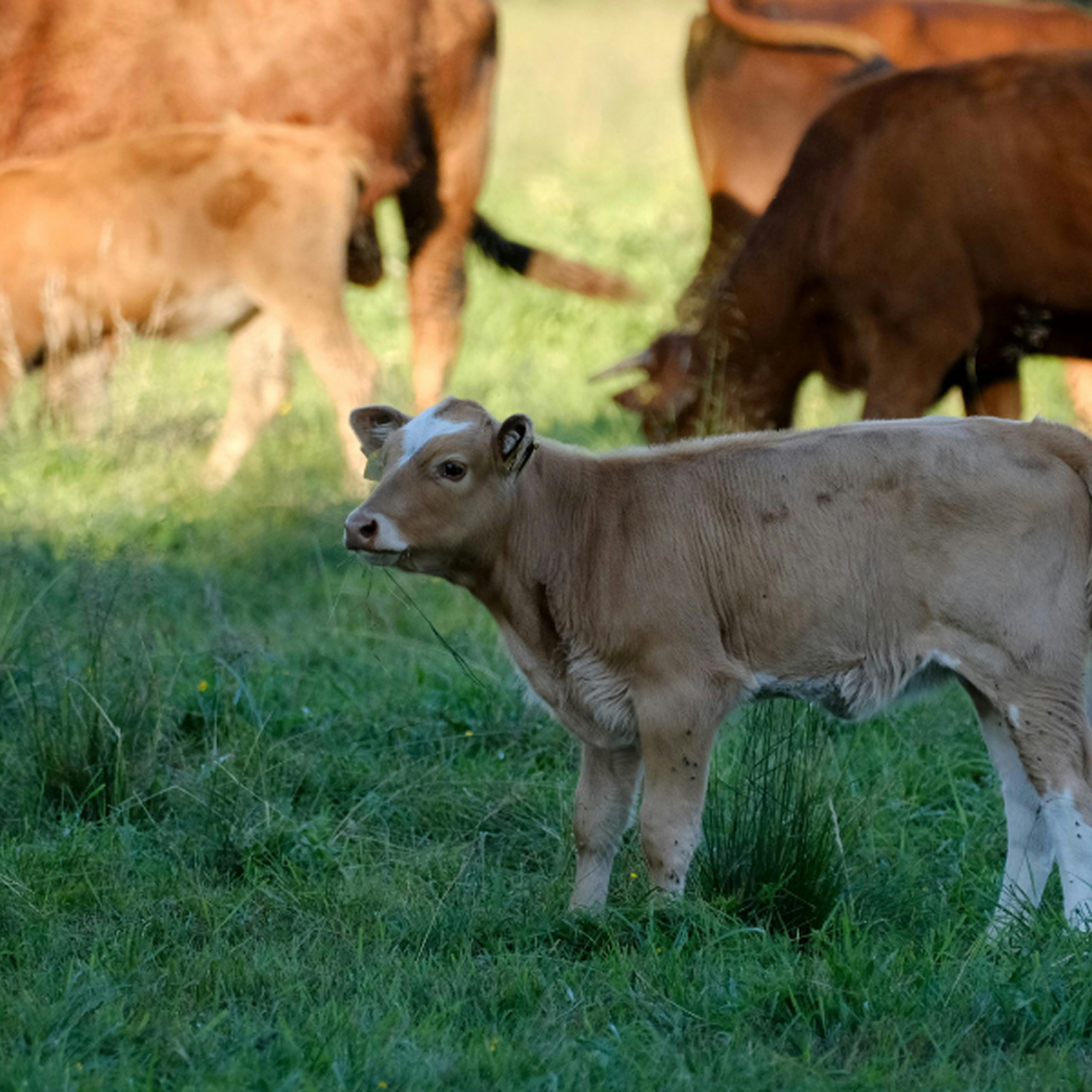
Collecting DNA samples from beef calves at calving allows producers to gain early insight into genetic potential from the very start of life. Each calf can be ranked for traits such as growth, feed efficiency, and carcass potential long before those traits are expressed, enabling earlier and more confident decisions around which animals are likely to suit future breeding, backgrounding, or feedlot pathways.
DNA testing at calving can also identify carriers of inherited conditions early, allowing producers to plan mating strategies well ahead of the next joining period. This early genetic insight helps reduce downstream risk, avoid compounding undesirable traits, and ensures that investment is focused on animals with the strongest long-term potential.
Backgrounding cattle
During the backgrounding phase, genotyping supports targeted and efficient cattle management. DNA results can be used to identify animals with higher growth potential and those better suited to different production pathways, allowing cattle to be sorted into more uniform and productive groups.
For instance, cattle with genetics indicating strong growth and feed efficiency may be prioritised for feedlot entry, while animals better suited to pasture-based finishing can be managed separately. This alignment between genetics and management improves weight gain efficiency and reduces performance variation within groups.
Genotyping can also highlight carrier status for specific traits or conditions, enabling producers to make informed marketing or retention decisions during backgrounding rather than discovering issues later in the supply chain.
Cattle in a feedlot
Feed costs are one of the largest inputs in feedlot systems, making feed efficiency and carcass performance key drivers of profitability. Genotyping provides insight into traits such as feed efficiency, average daily gain, marbling, and carcass yield, supporting more precise feedlot management decisions.
Cattle identified through DNA testing as having higher feed efficiency, for example, can be allocated to feeding programs designed to maximise return on feed investment. Animals with strong marbling potential may be targeted toward programs aimed at premium markets, while others may be managed for shorter days on feed.
Using genotype information in this way supports more predictable performance, better pen utilisation, and reduced cost of gain across the feedlot.
Processing cattle
The processing stage offers an opportunity to validate genotype predictions against actual carcass outcomes. Carcass data, such as weight, marbling score, and yield, provide valuable insights into how well genetic expectations translate into real-world performance. For example, cattle identified through genotyping as having high marbling potential consistently achieve premium carcass grades, which validates selection decisions made earlier in the production cycle. On the other hand, if expected outcomes are not achieved, producers can review breeding choices or management strategies to refine future programs.
Over time, linking genotype data with processing results helps producers sharpen breeding objectives, improve selection accuracy, and ensure genetic progress aligns with processor and market requirements.
How XytoVet can support you at every stage of cattle production
XytoVet supports beef livestock producers across the entire production cycle by delivering practical, reliable genotyping solutions that integrate seamlessly into everyday decision-making. From identifying superior breeding animals and managing risk in young stock to optimising feedlot performance and validating carcass outcomes, XytoVet helps turn DNA data into clear, actionable insights.
Whether your goal is to improve herd genetics, reduce production costs, or achieve more consistent market outcomes, XytoVet can support smarter, data-driven decisions at every stage of beef cattle production. Contact XytoVet today to learn how genotyping can add value across your operation.