
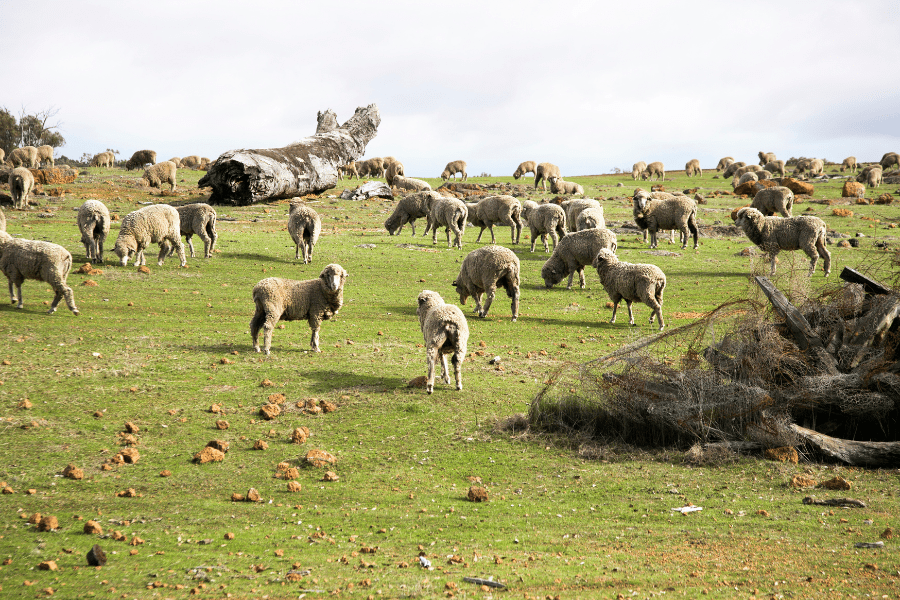
In today’s livestock industry, genetic information is reshaping the way producers make decisions. Livestock genotyping, the process of analysing DNA to identify traits, disease susceptibilities, and performance potential, gives farmers the ability to make informed choices about their breeding programs and herd management. By identifying which animals carry favourable traits and which may be predisposed to genetic diseases in livestock, producers can reduce risk, improve animal wellbeing, and create more sustainable production systems.
The cost of not identifying livestock disease susceptibility can be substantial, resulting in higher losses, increased veterinary expenses, and unnecessary resource allocation for livestock disease management. At the same time, sustainable practices driven by genotyping do not just benefit the environment, they translate directly into stronger economic outcomes for producers.
How genotyping supports sustainable livestock
1. Reduced prevalence of livestock diseases
Genotyping enables producers to select animals with greater natural resistance to common diseases in livestock. This gradually reduces the presence of costly conditions in herds and flocks. In sheep, for example, genetic testing can identify an animal’s potential for lower worm egg counts. In cattle, genotyping can identify traits associated with resistance to conditions such as bovine respiratory disease. By making breeding choices with this information, producers can actively build healthier herds and flocks over time.
2. Improved animal wellbeing
When animals are genetically predisposed to good health, they are less likely to suffer from chronic illnesses and diseases that affect livestock. Beyond disease resistance, trait selection supports breeding programs aimed at producing stronger, more robust animals overall. This not only reduces mortality but also improves daily welfare, creating stock that grows, breeds, and performs at its best.
3. Efficient use of resources
With a precise understanding of an animal’s genetics, producers can tailor livestock disease prevention decisions more efficiently. For example, knowing which animals are genetically more resilient to parasites enables farmers to target drenching only where necessary, avoiding blanket treatments. Similarly, feed efficiency insights help reduce waste and ensure resources are used wisely, lowering input costs and reducing the need for harsh chemicals.
How sustainability supports economic outcomes
1. Improved feed efficiency
Feed is one of the largest expenses for livestock producers. Genotyping makes it possible to identify animals that convert feed into growth more efficiently. Producers can then align their purchasing with precise feed requirements, avoiding overbuying and ensuring that every dollar spent contributes to productivity.
2. Reduced vet and drenching costs
Healthier animals come with fewer unexpected costs. By breeding livestock with stronger natural resistance, producers can reduce reliance on drenching, minimise veterinary interventions, and lower the overall cost of ownership.
3. Reduced livestock wastage
Every culled or lost animal represents both an economic and a welfare cost. Genotyping helps reduce this wastage by enabling producers to build disease resistance and resilience into their flocks and herds. As a result, producers can realise a better return on their investment, producing high-quality animals with lower loss rates.
Healthier animals and a stronger bottom line with XytoVet
At XytoVet, we believe that sustainability and profitability go hand in hand. By providing advanced genotyping services tailored to the Australian livestock industry, we help producers unlock the genetic potential of their animals, reduce losses, and make smarter decisions for the future.
Our services are designed to support healthier, more productive flocks and herds by giving farmers the tools to drive both environmental sustainability and business success.
If you’re ready to build a stronger, more resilient livestock enterprise, get in touch with XytoVet today and discover how genotyping can work for you.