
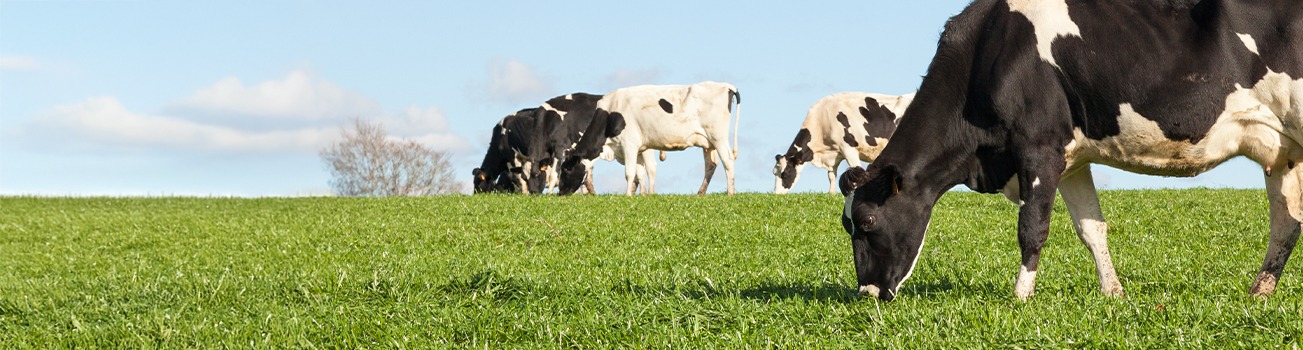
Dairy Cattle Genotyping Services
Refine the genetic value of your dairy cattle herd with genotyping. Verified genetic data that makes selecting for performance traits easy.
Understanding Dairy Cattle Genetics
DNA analysis goes a step further than phenotype observations, uncovering vital genetic markers essential for milk production and disease resistance. Our genotyping services provide you with valuable genetic data that you can use to improve the quality and output of your dairy herd.
Proudly Australian-owned and operated, we’re passionate about sharing our knowledge and supporting you to improve your herd’s genetic profile. Discover the difference our genotyping services can make in improving your dairy farm’s performance and sustainability.
Dairy Cattle Genetic Testing Services
Genotyping
At XytoVet, we use ThermoFisher Scientific’s Affymetrix Axiom Bovine Genotyping Array. This array is an innovative tool that enables trait selection of dairy cattle based on crucial genetic characteristics like horn/poll status, A1/A2 milk production.
Parentage Testing
Determining an animal’s true parentage gives you the confidence that you have full oversight over your herd’s genetic lineage and can make informed decisions about its future. We use multiple genetic markers to confirm the true parentage of your dairy cows, both dam and sire.
This is just one part of our broader work with Australian herds – learn more about our full cattle genotyping services.
DataGene
DataGene is an independent and industry-owned organisation that provides genetic evaluation tools and resources to the Australian dairy industry.
We use DataGene’s DataVat tool, which is a web portal that facilitates secure access to customisable reports, tools and resources for dairy farmers.

Get In Touch
Discover how DNA analysis can drive productivity, profitability and sustainability for your farm. Get in touch with us to learn more about the genetic makeup of your livestock so you can make informed, strategic decisions about your operations going far into the future.
Order Dairy Cattle genetic testing for better milk production using the form below, and our friendly team will reach out as soon as possible.
Frequently Asked Questions
-
What genetic testing does XytoVet offer for dairy cattle?
XytoVet offers a full 50K genomic test for dairy cows that is fully verified by DataGene. There are over 40 traits and indices included in the test, such as mastitis resistance, milk production, calving ease, Balanced Performance Index (BPI) and Sustainability Index (SI). These are useful for both improving genetic gain and overall herd performance.
We upload all data to be reported via DataVat, DataGene’s web portal that gives producers access to reports and information related to the genetic evaluation system.
We are also able to customise our testing to reflect the traits that matter most to your business, including A2, BVDV, and poll/horn analysis.
-
What is an index?
Indexes take into account multiple traits and combine them into a single value, which is useful when you want to improve more than one trait at a time. Australia’s three breeding indices are Balanced Performance Index (BPI), Health Weighted Index (HWI) and Sustainability Index (SI). Dairy cows and bulls can receive a BPI, HWI and SI if there is sufficient data available in DataGene’s genetic evaluation system.
-
How do I take a DNA sample?
XytoVet strongly recommend taking a tissue sample for DNA analysis. This sample is a small tissue punch from the ear of the animal. To do this, you will need an applicator and tissue sampling unit (TSU) that can be sourced from our recommended supplier. Each TSU has a unique ID that can be linked to the animal’s ear tag. This information will need to be sent via email to our team so that we can correctly match the sample to the animal during the laboratory process. We recommend contacting our team to help you through the process.
-
Why should I use DNA testing for my dairy herd?
DNA (genomic) testing gives an objective picture of each animal’s genetic potential for milk production, fertility, health and longevity, instead of relying only on pedigree or visual assessment alone.
Testing calves or heifers early lets you identify the best replacements, manage lower-ranking animals differently, avoid breeding from animals carrying undesirable genes and fast-track genetic gain in your herd.
Australian data shows that using genomics improves herd performance and profitability compared with selection based purely on pedigree.
-
How do I get started?
Once you have a clear understanding of your breeding goals, please contact our team. Our Genetic Sales Consultants understand that every farm and breeding operation is unique, and we want to be able to provide the best solutions and customer experience for you. Our team will walk you through the process of how to order a sampling kit, how to complete the required paperwork and how the reporting process will work. If you require any assistance at any stage through the process, please contact us.
-
Which dairy breeds can XytoVet genomic test?
Our dairy genomic test is designed for animals that are part of DataGene’s Australian evaluation system. This includes Holstein, Jersey, Holstein-Jersey cross and Red Breed animals whose sires have Australian Breeding Values (ABVs).
If you’re working with other breeds or composites, contact our team and we’ll confirm the best testing option for your herd.
-
When should I genomic test my dairy heifers?
Genomic samples can be collected very early at birth or tagging, using a TSU or hair card. Many Australian dairy farmers aim to test all heifer calves early so results are back before first joining or major selection decisions.
Early testing lets you rear better heifers, focus feed and rearing costs on the most profitable animals and make informed decisions.
-
How accurate is genomic testing compared with pedigree alone?
Genomic testing is a powerful tool for accurate identification and parentage, correcting pedigree errors that occur in around 15% of Australian dairy calves, and making BPI, HWI and SI indexes more reliable. Genomic testing improves the reliability of breeding values by more than double, compared with those based soley on pedigree.