

Bovine Trichomoniasis
Trichomoniasis is a serious cattle disease that can spread silently and cause major reproductive losses. With XytoVet testing, producers can accurately detect infection, reduce risk and protect herd performance.
Understanding Trichomoniasis in cattle
Trichomoniasis (often called “Trich”) is a reproductive disease caused by the protozoan Tritrichomonas foetus. It spreads primarily through natural mating, making it a significant risk in herds that use bulls for joining.
The infection lives in the reproductive tract of bulls, typically without causing visible symptoms, yet it can cause major reproductive losses in cows and heifers.

Risks of bovine Trichomoniasis
Trichomoniasis in cattle can cause a range of severe impacts, including:
- Early embryonic death
- Extended joining periods
- Irregular return to oestrus
- Lower branding/calving rates
- Increased culling pressure
As infected bulls often appear healthy and continue to mate normally, trichomoniasis symptoms can circulate silently through a herd for multiple seasons before detection. Once established, the disease can be difficult and costly to eliminate without accurate testing and strong management decisions, making early diagnosis essential.
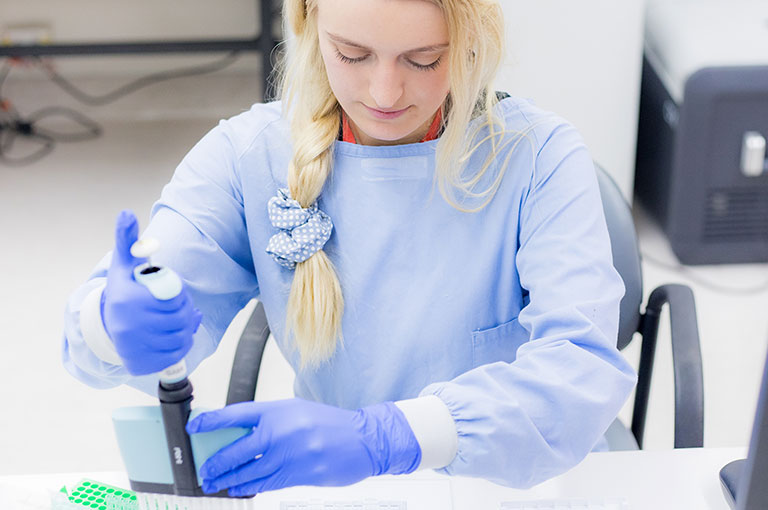
DNA testing for bovine Trichomoniasis
XytoVet provides reliable, laboratory-accurate diagnostic testing to detect Tritrichomonas foetus in bulls, helping producers protect herd fertility and maintain productive breeding programs.
Why producers test with XytoVet:
- Minimise reproductive losses
- Maintain high branding or calving percentages
- Prevent long-term disease spread through multi-sire herds
- Protect replacement heifers and valuable genetics
- Make informed decisions about bull retention, culling and purchases
XytoVet trichomoniasis testing services

DNA detection
Accurate identification of infected bulls using advanced DNA testing.

Fast results
Quick turnaround times so producers can make timely decisions.

Clear reporting
Practical reports designed to inform herd management discussions.

Sampling support
Expert guidance and convenient test kits available.