Bovine Viral Diarrhoea Virus (Pestivirus)
Bovine Viral Diarrhoea Virus is an infectious disease that affects reproduction, calf survival and growth, often without obvious warning signs. With XytoVet genetic testing, producers can take control early and limit the impact on profitability.
Understanding BVDV in cattle
Bovine Viral Diarrhoea Virus (BVDV), commonly known as Pestivirus, is one of the most economically significant infectious diseases affecting Australian cattle herds. The virus spreads easily through close contact, shared equipment, and, most critically, from infected dams to their unborn calves.
Risks of BVDV
While many animals show only mild or temporary signs, the real impact of BVDV comes from:
- Reduced fertility and early pregnancy loss
- Birth of persistently infected (PI) calves, which shed high levels of virus for life
- Calf wastage, including weak, dead, or deformed calves
- Weakened immunity, increasing susceptibility to other diseases
- Lower than expected growth rates and productivity
Persistently infected (PI) animals are the primary source of ongoing infection. As these cattle often look normal, herds can experience silent, long-term production losses without realising bovine pestivirus is circulating. Identifying PI animals and understanding herd exposure levels is essential for protecting reproductive performance and long-term profitability.
DNA testing for BVDV
XytoVet provides fast, accurate and practical testing options to help producers detect BVDV, identify PI animals, and make confident management decisions.
Why producers test with XytoVet:
- Prevent reproductive losses and improve conception outcomes
- Identify PI animals early to stop the ongoing spread
- Protect valuable replacement heifers and breeding lines
- Improve calf health, survival and long-term productivity
- Support whole-herd BVDV control plans
XytoVet BVDV testing

Accurate PI detection
Highly accurate diagnostics using antigen testing to identify PI cattle.

Infection differentiation
Clear distinction between persistently infected and transient infections.

Fast turnaround
Rapid results to support timely culling or segregation decisions.

Practical reporting
Concise, producer friendly reports aligned with XytoVet’s herd health approach
How DNA testing for BVDV works
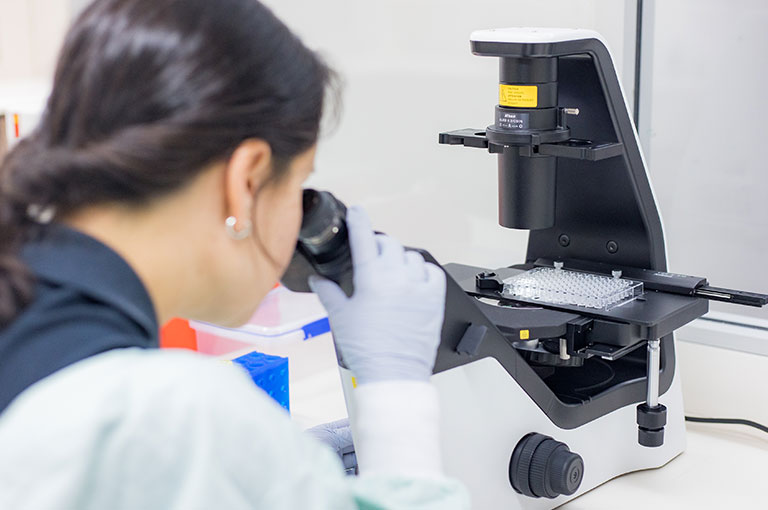
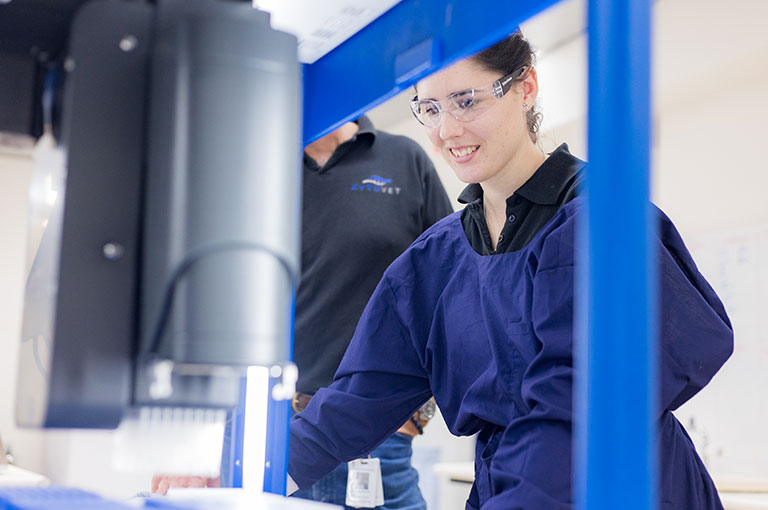
- Producers collect tissue samples (Allflex TSUs) from calves, weaners or suspect animals. Samples are sent to XytoVet’s laboratory, where sensitive molecular testing detects the presence of BVDV.
- If an animal tests positive, a confirmatory follow-up test can determine whether it is:
- Persistently infected (PI): permanently infected and a major source of spread
- Transiently infected: temporarily infected and likely to clear the virus
- Identifying and removing PI animals is the cornerstone of effective BVDV control.